Variable data and sequential labels, made easy
Every label on the roll can now be different: serial numbers, batch codes, barcodes and QR codes printed in the same pass as your design, checked and proofed before we print.

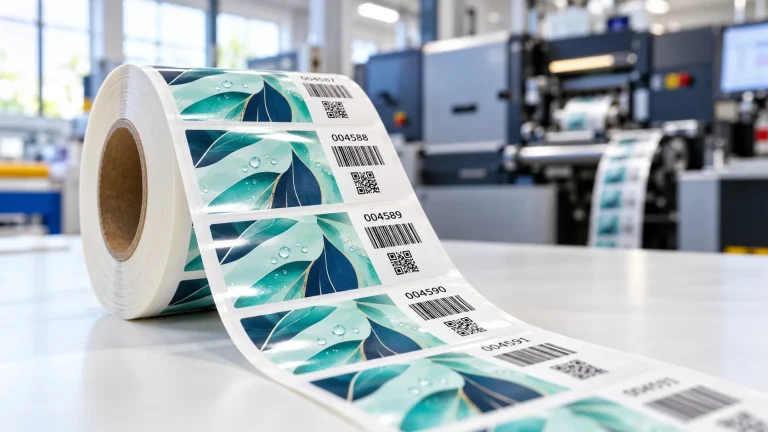
Every label on the roll can now be different: serial numbers, batch codes, barcodes and QR codes printed in the same pass as your design, checked and proofed before we print.
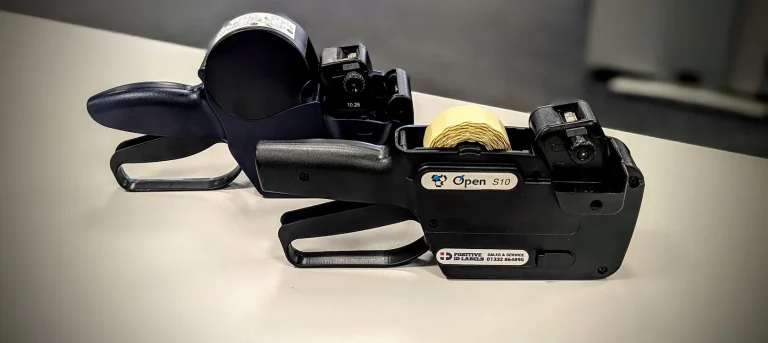
A date labelling gun is one of the simplest tools in any food business, right up until it prints crooked, smudges, or jams halfway through a batch. Almost every fault has the same handful of causes, and none of them needs an engineer. The short version: most problems with your date labelling gun come down…
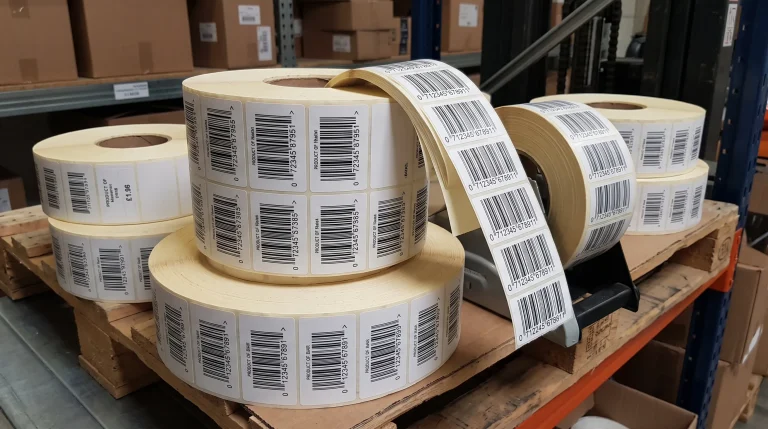
A registered barcode is not always necessary, and knowing when you need one saves both money and a great deal of trouble. The answer depends entirely on where the product will be scanned. The short answer. If the product only ever gets scanned inside your own business, on your own till or stock system, you…

AI label design has gone from novelty to genuinely useful in the recent months of 2026. You can now describe a label in plain English and get back something that looks like a finished product. That is a huge opportunity, but it is also a risk filled with pitfalls. AI will give you a convincing…
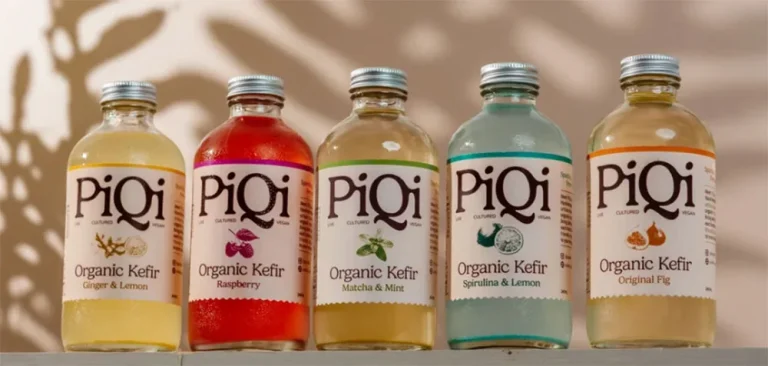
Good drinks label design has about three seconds to work. That is roughly how long a shopper spends scanning a shelf before their hand moves, and in that time your label has to do the entire job of persuasion. The short answer to what makes a bottle get picked up: legibility at distance, a clear…

Inconsistent retail price labelling causes real problems on the shop floor. A customer who picks up a product expecting one price and finds a different one at the till is not a happy customer. Clear, consistent retail price labelling is not a back-office detail; it directly affects trust, transactions, and how professional your operation looks….
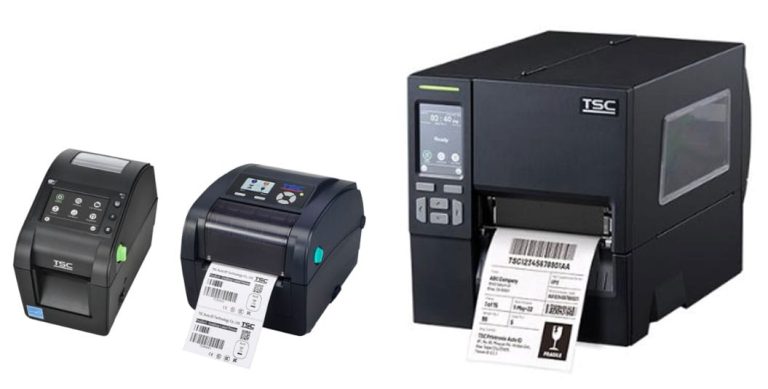
Label printer running costs rarely appear in the buying decision, which is odd, because over five years they dwarf the purchase price. A printer that costs a few hundred pounds can quietly consume several thousand in consumables and parts. The short answer: for most businesses, the printer itself is around 10 to 20% of the…
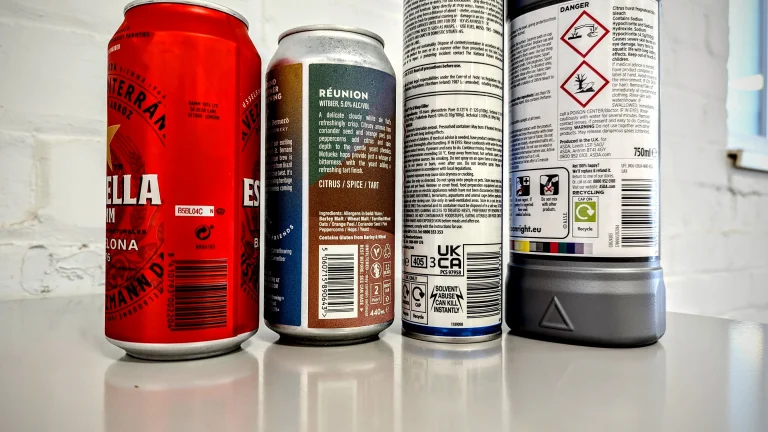
Getting a barcode for retail is the step that catches out most new product launches. You have the product, you have the packaging, and then a buyer asks for your GTIN, and you discover barcodes are not something you simply print. The short answer: barcodes used in UK retail are issued through GS1, the organisation…
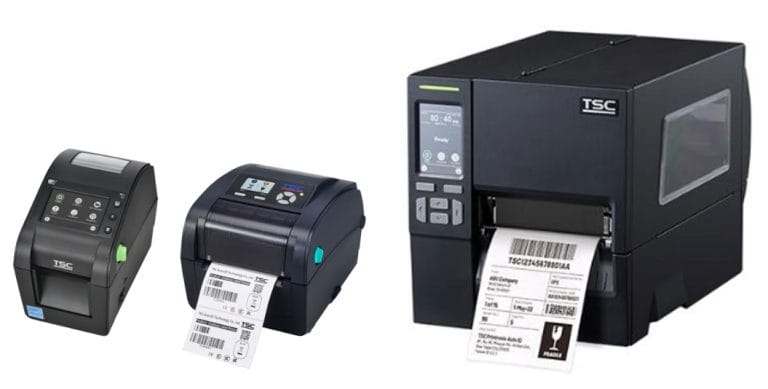
Choosing between desktop label printers and industrial label printers usually comes down to one number: how many labels you print in a day. Get it wrong in either direction and it costs you, either in a printer that wears out early or in capacity you paid for and never use. Here is the short answer….

Unit pricing is the part of shelf edge labelling that retailers most often get wrong, and it is the part enforcement officers look at first. It is the price per kilogram, per litre or per item that lets a shopper compare a 400g jar against a 750g one without doing mental arithmetic in the aisle….
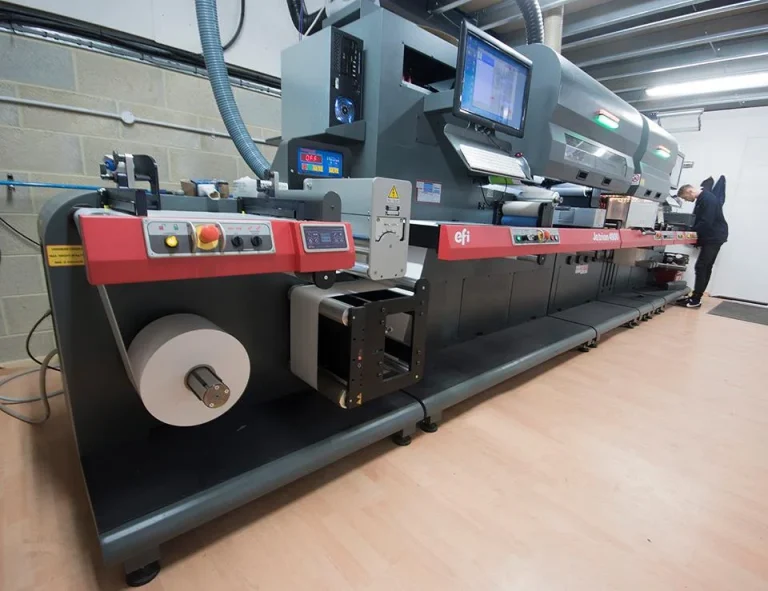
Short run labels solve a problem most label buyers meet early: you need a few hundred, the quote assumes you want ten thousand, and the unit price makes no sense at the quantity you actually need. The short answer is this. Depending on label size, below roughly 1,000 labels, order what you need and accept…
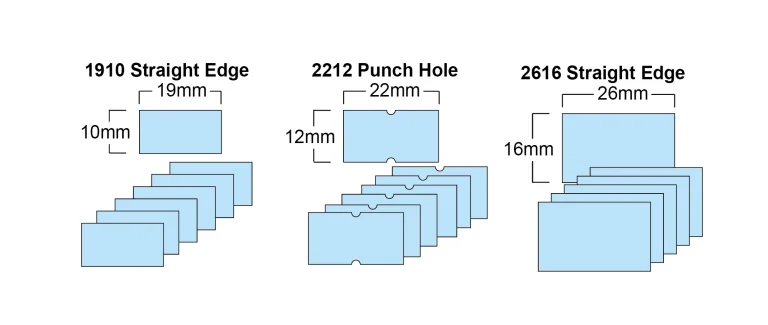
Ordering labelling gun labels sounds simple until you discover your gun takes a size nobody lists on their website, or the labels you ordered jam on the second roll. Getting it right the first time comes down to knowing three measurements and one detail about adhesive. The short answer: you need the label width, the…