
GS1 Sunrise 2027 Explained
The barcode on your product hasn’t changed in 50 years. That’s about to change — and most UK manufacturers don’t know it’s coming.
GS1 Sunrise 2027 is the global initiative to move retail away from traditional one-dimensional barcodes (the EAN-13 and UPC codes on virtually every retail product) toward two-dimensional codes capable of carrying far more data. It’s the biggest shift in product identification since barcodes were invented. The deadline is October 2027 — the same month the UK’s Deposit Return Scheme goes live.
Related products and guides
- Useful background reading: double compliance guide.
- When you are ready to print, see our barcode labels range.
- This page sits within our Resources range covering the full category.

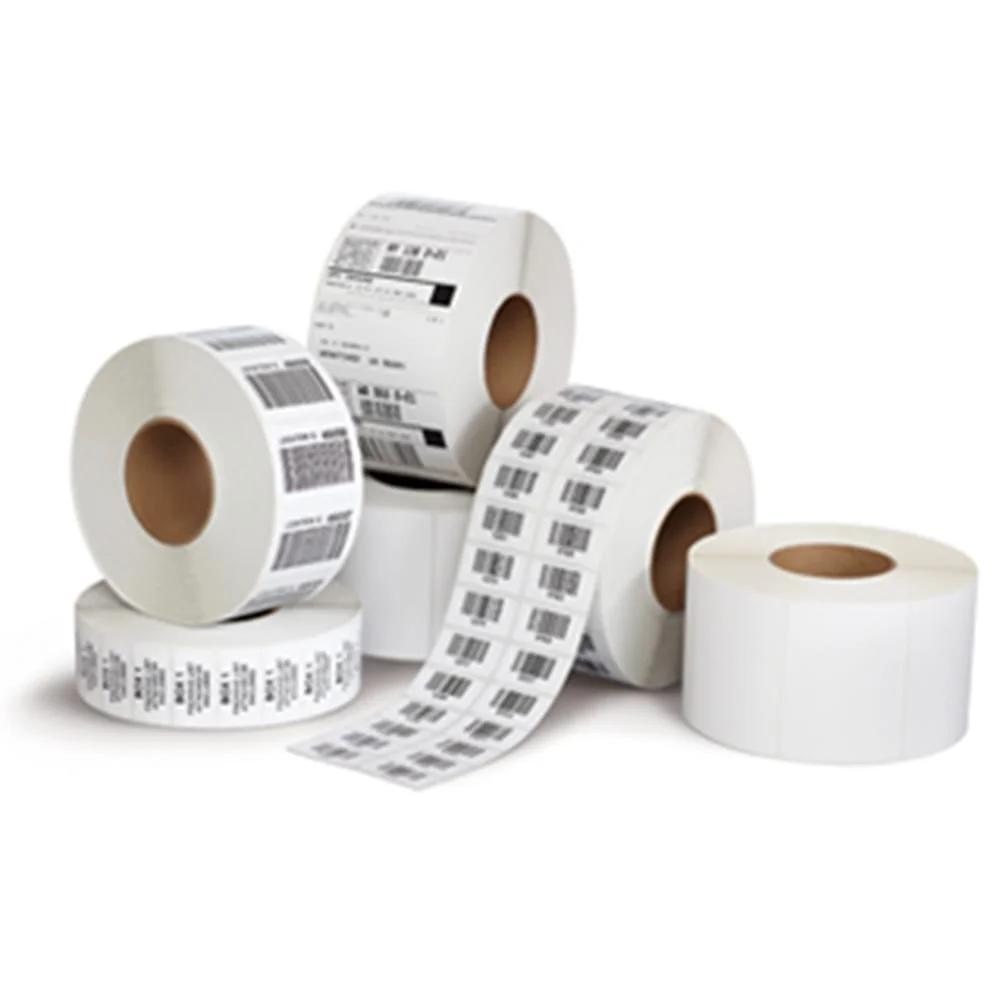
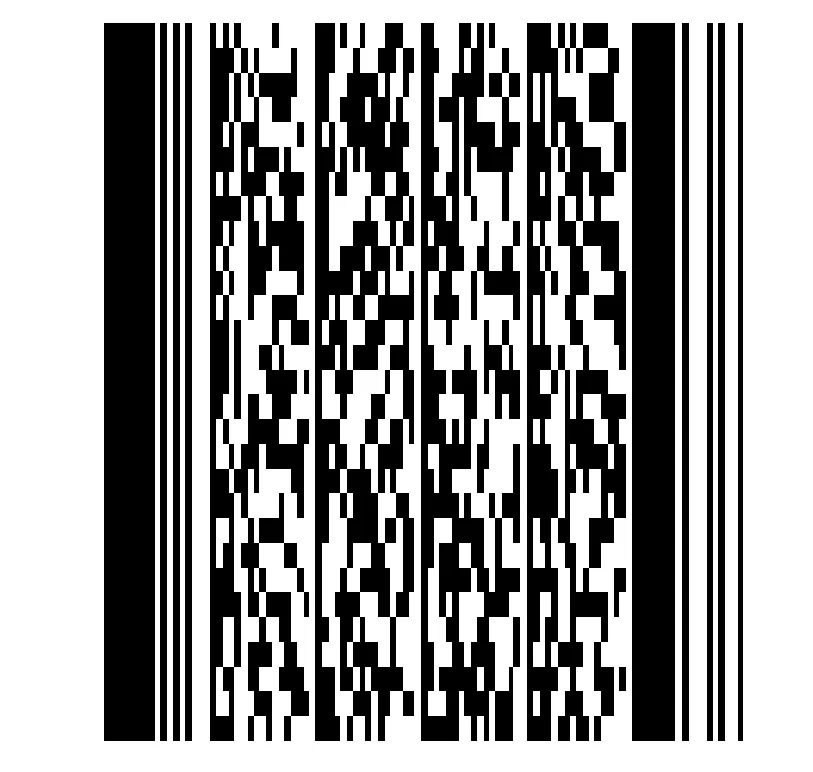

If you’re a manufacturer, brand owner, or packaging manager, this isn’t a distant IT project. It touches your labels, your packaging artwork, your print specifications, and your relationships with every retailer you supply.
Here’s what you actually need to know.
What Is GS1 Sunrise 2027?
GS1 is the international standards body responsible for barcodes globally — the organisation behind EAN-13, UPC, and the Global Trade Item Number (GTIN) system used on almost every retail product. Sunrise 2027 is their formal programme to transition the global retail industry from 1D linear barcodes to 2D codes such as Data Matrix and QR codes at point of sale.
The target is clear: by end of 2027, retail POS systems worldwide should be capable of reading and processing both traditional 1D barcodes and 2D barcodes. Testing is already underway across 48 countries representing 88% of global GDP. Major brands including Unilever, Procter & Gamble, and L’Oréal already have large-scale 2D rollouts underway.
In the UK, Tesco has begun live trials of QR codes powered by GS1 Digital Link — targeting date code accuracy, food waste reduction, and consumer product information. This isn’t a future concept. It’s already on supermarket shelves.
The Most Important Misconception — Cleared Up
Before anything else: are 1D barcodes being banned?
No. They are not.
The most common misconception is that 2027 is a hard cutoff date. It isn’t. What it represents is the year the industry expects to reach a critical mass of retailers scanning 2D codes at point of sale. Traditional linear barcodes continue to work alongside their data-rich replacements throughout the transition.
What 2027 does mean in practice is that retailers must be capable of scanning 2D barcodes at checkout by end of 2027. Your EAN-13 doesn’t stop working. But if you’re not planning the transition now, you’ll be scrambling in late 2026 while your competitors are already ahead.
Why Is This Happening?
The EAN-13 barcode holds exactly 13 characters — your GTIN and nothing else. That was sufficient in 1974.
In 2025, retailers need batch numbers, expiry dates, lot codes, serial numbers, recycling information, allergen data, sustainability credentials, and links to digital product pages — all from a single label. They can’t get any of that from a 1D barcode.
A 2D Data Matrix or GS1 QR code can store up to 7,000 characters in a symbol smaller than a postage stamp. It can encode your GTIN, batch number, expiry date, serial number, and a URL linking to a real-time product data page — all at once.
For retailers the benefits are significant: automated stock rotation based on actual expiry dates encoded in the barcode, faster recall management by identifying specific batches at the shelf edge, consumer transparency via smartphone scanning, and anti-counterfeiting through serialisation.
For manufacturers, the benefits are equally real — better supply chain visibility, fewer chargebacks from incorrect date tracking, and a direct digital connection to the consumer through the product itself.
What It Means for Your Labels
GS1’s guidance for the transition is clear: brands should add a 2D code alongside the existing EAN/UPC barcode. You’re not replacing the 1D code yet — you’re adding a 2D code next to it. But there are technical rules.
Placement: The 2D code must sit within 50mm of the centre of your existing EAN/UPC. This is a GS1 specification designed to ensure both codes are in the scanner field of view simultaneously.
Size: 2D codes need to be large enough to read at speed. Smaller formats require higher print resolution than most pre-printed label runs are specified to deliver.
Print quality: 2D codes demand significantly higher contrast and precision than 1D barcodes. The square modules in a Data Matrix code need consistent, sharp edges. The wrong label material or print method can compromise readability entirely.
Dynamic vs static data: A static 2D code contains fixed data, just like your current barcode. A dynamic 2D code encodes variable data — batch number, expiry date, serial number — that changes with every production run. Dynamic is where the real supply chain value sits, and it requires on-demand digital printing rather than pre-printed static label rolls. This is likely to mean a change to your labelling workflow.
The Label Design Challenge
Adding a compliant 2D code to existing packaging isn’t as simple as dropping a QR code into artwork.
Space constraints: On a 330ml can or small sauce sachet, every millimetre is accounted for. Both codes must fit alongside mandatory allergen declarations, nutritional data, and regulatory markings. This typically requires a full label redesign, not just an artwork amend.
Regulatory crowding: The Exchange for Change DRS logo and machine-readable DRS identifier — both mandatory from October 2027 for drinks containers — compete for the same label real estate. Many brands will find they can’t accommodate all three new requirements without reworking the entire label layout from scratch.
Material compatibility: Not all label substrates print 2D codes cleanly. Glossy films, textured surfaces, and some coated papers can reduce contrast or cause dot gain that degrades module edges. Your label supplier should specify and test materials before any production commitment.
Quiet zones: 2D codes require defined blank areas around them, free of text, graphics, and other codes. These quiet zones are frequently violated in rushed redesigns — causing scan failures in the field, including rejection by reverse vending machines.
The Timeline You’re Actually Working To
October 2027 sounds distant. It isn’t.
Now — mid-2026: Artwork freeze window for products going to market in late 2026. Any container placed on the market then may still be in circulation when the scheme goes live — meaning it already needs compliant labelling.
Q3 2026: DRS producer registration opens with Exchange for Change. Label redesigns need to be approved and production-ready before this window.
Summer 2026: GS1 UK accelerates Sunrise pilot testing with major retailers. Brands without 2D capability risk being left behind as retailer expectations shift.
October 2027: GS1 Sunrise target date and DRS go-live simultaneously. Both demand label changes on many of the same products. Brands caught redesigning under deadline pressure face rushed print runs, compliance errors, and potential retailer chargebacks.
The effective planning deadline for most manufacturers is Q2 2026. If you haven’t started conversations with your label supplier by then, you’re already late.
GS1 Sunrise and the DRS — A Double Label Redesign
Here’s what nobody else is talking about: GS1 Sunrise 2027 and the UK Deposit Return Scheme share the same deadline, affect many of the same products, and both require label artwork changes. Drinks manufacturers face a combined compliance challenge:
- Add a GS1 2D barcode alongside the existing EAN-13 Barcode, positioned within 50mm
- Add the Exchange for Change DRS logo (mandatory from October 2027)
- Add the DRS machine-readable identifier that reverse vending machines will scan
- Ensure every element survives a crushed, wet, dirty container processed at speed by an RVM
This is a complete label redesign — not a minor amend. And it needs to happen once, efficiently, correctly, and with enough lead time to test against RVM specifications before committing to full print volume.
We’ve written a dedicated guide to Deposit Return Scheme label requirements that you can read alongside this one.
What You Should Do Right Now
Audit your label portfolio. Which products go into retail? Which are in-scope drinks containers? Which carry expiry or batch data that benefits from 2D encoding? Prioritise those and work backwards from October 2027.
Talk to your label supplier now, not in six months. A good label partner will assess your current specifications, identify print quality and material changes required, and help you plan a single artwork transition covering both GS1 Sunrise and DRS compliance — rather than two separate expensive redesign rounds.
Download our free 2027 Label Compliance Checklist. A practical tool to brief your packaging team and label printer, covering both GS1 Sunrise and Deposit Return Scheme requirements. Download it at pid-labelling.co.uk/.
Register with GS1 UK if you aren’t already a member. A company prefix is required to generate compliant GTINs for your 2D codes and is the foundation of everything that follows.
Read our GS1 2D Barcode Implementation Guide.