
UK Food Labelling Q&A
Getting food labels right is more than a legal box-ticking exercise. One labelling mistake can trigger product recalls, Trading Standards investigations, or worse – put consumers at risk. At Positive ID Labels, we provide food labelling solutions print thousands of food labels every week for producers across the UK, so we understand the questions that keep food business owners awake at night.

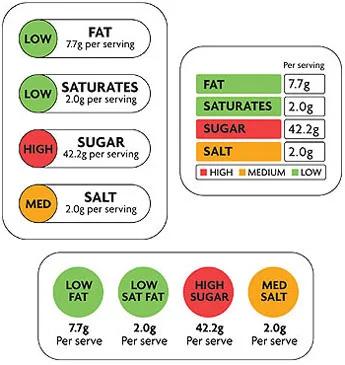
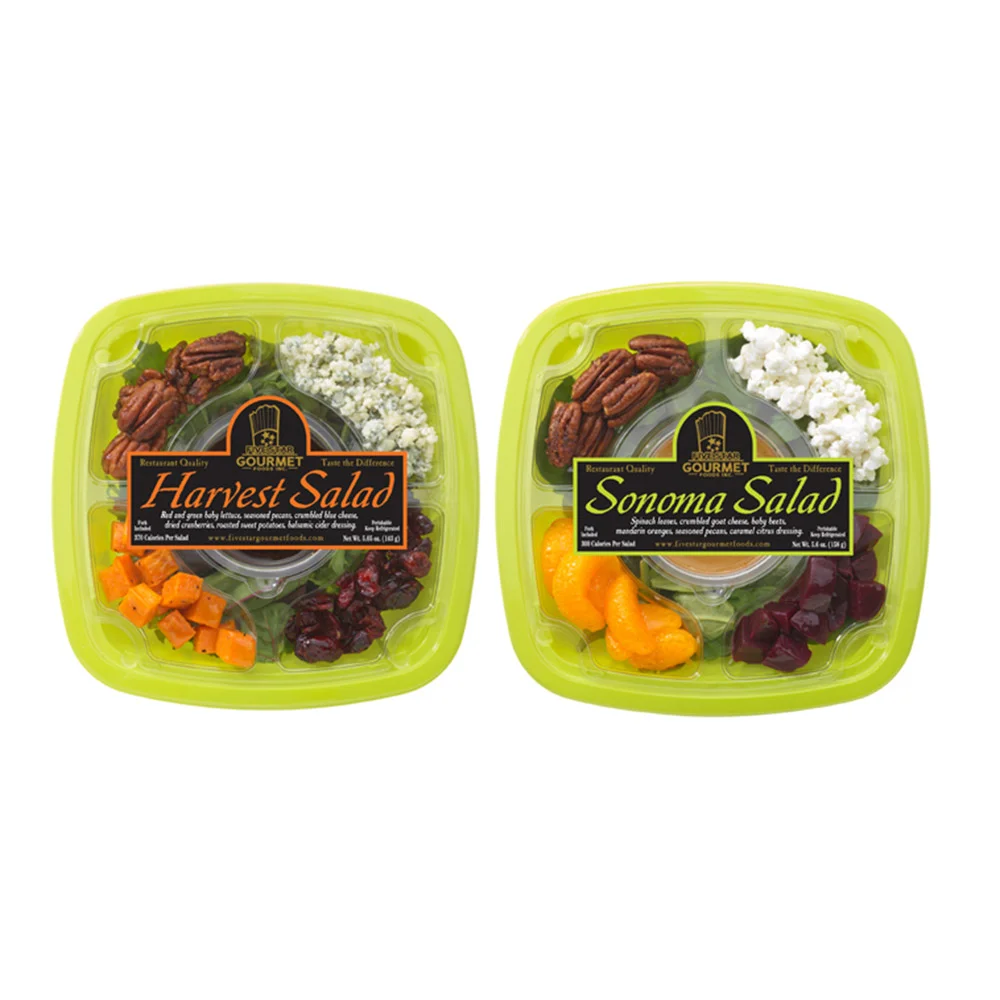

This guide answers the most common food labelling questions we hear from our customers, from legal requirements to practical compliance advice. Note: Answers are provided as is and Positive ID Labelling take no legal responsibility for the advice given. All regulations should be verified with your local council’s trading standards department or evironmental health department before commiting to print.
What Legally Has to Go on a Food Label in the UK?
UK food labelling requirements are governed by the Food Information Regulations 2014, based on retained EU law. For prepacked foods, the following information is mandatory:
- The name of the food must clearly describe what the product actually is. You cannot rely on brand names alone – Âa descriptive name is required.
- A full ingredients list presented in descending order by weight at the time of manufacture. Sub-ingredients must also be declared.
- Allergen declarations with the 14 major allergens emphasised within the ingredients list.
- Net quantity showing the weight or volume of the product.
- Date marking using either “use by” for perishable foods or “best before” for longer-lasting products.
- Storage instructions where specific conditions are needed to maintain safety or quality.
- Business operator details including the name and UK address of the manufacturer, packer, or importer.
- Country of origin where appropriate if failure to include it would mislead consumers.
- Nutrition declaration showing energy, fat, saturates, carbohydrates, sugars, protein, and salt per 100g or 100ml. Only required if the food and business qualify – exemptions apply for smaller businesses.
Since January 2024, products sold in Great Britain must display a UK-based address. EU addresses alone are no longer acceptable.
Need labels that meet all these requirements? Call 01332 864895 for expert guidance on compliant food label printing.

I had an amazing experience working with Positive ID Labelling, especially Natalie. The labels were absolutely brilliant quality and exceeded my expectations. Natalie was fantastic throughout the whole process. Communication was amazing from start to finish. She was so helpful, guided me through everything, and made the whole experience stress free and enjoyable. She was also genuinely funny and a pleasure to work with, which made everything even better. I’ll definitely be working with Natalie again on future projects and would highly recommend Positive ID Labelling to anyone looking for high-quality labels and excellent customer service.

Fantastic label printing service. Labels to a very high specification. Helen was great at sorting out our requirements, quotes, and order.

We’ve had a great experience working with this supplier, especially with Natalie - she is always very responsive, professional, and friendly. The pricing is highly competitive and the sales service has been excellent from start to finish.If I could offer one suggestion, it would be to improve the account and invoice management process. It would be really helpful if there were a system for clients to easily track their past orders and invoices in one place.Overall, very pleased with the service and look forward to continuing our collaboration.

I inadvertently ordered the incorrect label guns which was quickly sorted by Natalie. She was excellent, customer service at its best! Thank you once again

What Are the 14 Allergens That Must Be Declared?
UK law requires food businesses to declare the presence of 14 major allergens. These account for the vast majority of serious allergic reactions and must be emphasised on every food label where they appear as ingredients or derivatives.
The 14 allergens are:
- Celery (including celeriac)
- Cereals containing gluten (wheat, rye, barley, oats)
- Crustaceans (prawns, crab, lobster)
- Eggs
- Fish
- Lupin
- Milk (including lactose)
- Molluscs (mussels, oysters, squid)
- Mustard
- Tree nuts (almonds, hazelnuts, walnuts, cashews, pecans, Brazil nuts, pistachios, macadamia nuts)
- Peanuts (peanuts are a ground nut)
- Sesame seeds
- Soybeans –
- Sulphur dioxide and sulphites (at concentrations above 10mg/kg)
Each allergen must be highlighted every time it appears in the ingredients list. This can be emboldening, case changes, italicisation, underlining or colour variation. Simply listing allergens separately in a “contains” statement is no longer sufficient for prepacked foods.
Is It Illegal Not to Have a Nutrition Label?
For most prepacked foods sold in the UK, nutrition labelling is now mandatory. However, there are important exemptions.
Exempt products include:
- Single-ingredient foods (like fresh fruit or plain flour)
- Unprocessed foods
- Herbs, spices, and seasonings
- Water (including flavoured water)
- Tea and coffee
- Food supplements
- Alcoholic drinks above 1.2% ABV
Small business exemption: Micro businesses with fewer than 10 employees and turnover under approximately £1.75 million may be exempt if they sell directly to consumers or to local retailers within their county or neighbouring counties. However, if you make any nutrition or health claims on your packaging, you lose this exemption and must provide full nutrition information.
The nutrition declaration must include energy (in both kJ and kcal), fat, saturates, carbohydrates, sugars, protein, and salt, presented per 100g or 100ml. The declaration must be in that order only: Energy, Fat, Saturated Fat, Carbohydrate etc. Our allergen labelling software looks after these issues for you.
There are additional nutrient categories such as Fibre content, and these must be sequenced correctly too.
Does the UK Require All Ingredients to Be Listed?
Yes, with very few exceptions. UK law requires a complete ingredients list on prepacked food, including:
- All ingredients in descending order by weight
- Sub-ingredients of compound ingredients
- Additives and preservatives (identified by category and E number or specific name)
- Processing aids if residues remain in the finished product
- Any allergens, clearly emphasised
Exceptions where ingredients lists are not required:
- Fresh fruit and vegetables (single ingredient, unprocessed)
- Carbonated water with only added CO2
- Fermented vinegars from single sources
- Cheese, butter, and fermented milk with no added ingredients
- Single-ingredient foods where the product name is the ingredient
Even where exemptions apply, allergens must still be declared if present. The purpose of the allergen declaration is to protect vulnerable consumers, not to increase administrative burden for the sake of it.
What Is Natasha’s Law?
Natasha’s Law came into force on 1st October 2021 following the tragic death of teenager Natasha Ednan-Laperouse, who suffered a fatal allergic reaction to undeclared sesame included in a Pret a Manger baguette. She knew she was allergic but was given no indication the sesame was present – this lead to a change in the law after successful and dedicated campaigning by her parents.
The law applies to Prepacked for Direct Sale (PPDS) foods, products packaged on the same premises where they are sold, before the customer selects them. This includes sandwiches, salads, and baked goods wrapped and displayed in cafés, delis, and bakeries. See our sandwich labelling regulations guide for detailed requirements.
Under Natasha’s Law, PPDS foods must now carry:
- The name of the food
- A full ingredients list
- All 14 allergens emphasised within that list
Previously, businesses could provide allergen information verbally or via signage. Now, it must be printed directly on the packaging.
For food producers, this means investing in proper labelling systems. Positive ID Labels supplies nutridata software to ensure compliance with clear allergen declarations. The software is provided free of charge to customers buying our laeblling systems and labels from us – call 01332 864895 to discuss your requirements.
What Are the Different Types of Food Labels?
Food labels generally fall into four main categories based on how and where products are sold:
Prepacked labels are applied to foods fully packaged before sale in a factory or centralised facility. These require the most comprehensive information: full ingredients, nutrition declaration, allergens, date marking, and business details.
Prepacked for Direct Sale (PPDS) labels cover foods packaged on-site before customer selection – Âsuch as wrapped sandwiches in a deli. Since Natasha’s Law, these need full ingredients lists with emphasised allergens.
Non-prepacked labels apply to loose foods like bakery items or deli counter products. Allergen information must be available (via signage or verbally), but full labelling is not required.
Distance selling labels cover foods sold online or by mail order. Mandatory information must be available before purchase and again at delivery.
Each category has distinct requirements, and getting it wrong can result in enforcement action, albeit most councils seek improvements before enforcement action is taken. It is best to co-operate with the requests provided they are enforceable by law. Our digital printing technology at Positive ID Labels handles everything from high-volume prepacked labels to short-run PPDS solutions.
Why Is E127 Banned in the UK?
E127, also known as Erythrosine or Red No. 3, is not completely banned in the UK but is heavily restricted. It can only legally be used in cocktail cherries, candied cherries, and Bigarreaux cherries in syrup.
The restrictions stem from studies linking high doses of E127 to thyroid tumours in laboratory animals. Although the evidence in humans is less clear, regulatory bodies took a precautionary approach. The European Food Safety Authority (EFSA) set a very low acceptable daily intake of 0-0.1 mg/kg body weight.
This became headline news in 2021 when a Leeds bakery was forced to withdraw products after using American sprinkles containing E127. West Yorkshire Trading Standards confirmed the food colouring was not permitted in that type of confectionery.
For food producers: Always check that imported ingredients, particularly decorations and colourings from the US or other non-EU countries, comply with UK additive regulations. Common alternatives to E127 include E129 (Allura Red) and E122 (Carmoisine).
What Are Common Misleading Food Labels?
Misleading labelling is illegal under UK food law, but many products push boundaries with technically accurate but deceptive claims. Here are the most common examples:
“Natural” and “Pure” have no legal definitions for most foods. A product can be highly processed yet still claim to contain “natural ingredients” if those ingredients originated from natural sources.
“No added sugar” does not mean sugar-free. Products may contain high levels of naturally occurring sugars from fruit concentrates, or use artificial sweeteners instead.
“Low fat” products often compensate with extra sugar or salt to maintain flavour. The claim only means the product contains no more than 3g fat per 100g.
“High protein” sounds healthy but some high-protein bars contain substantial sugar and highly processed ingredients.
“Multigrain” simply means multiple grains are present – Âit does not indicate whole grains or any particular nutritional benefit.
“Light” or “Lite” might refer to colour, texture, or flavour rather than calories. The term is regulated only when making specific nutritional claims.
Serving size manipulation is another common tactic. Nutrition information shown “per serving” can obscure high sugar or salt content when serving sizes are unrealistically small. It is mandatory to show nutrition information per 100g for solid foods or 100ml for liquids, of the product.
Food producers have a legal obligation not to mislead consumers. At Positive ID Labels, we help customers create clear, compliant labels that build trust rather than confusion.
What Does “mg” Mean on Food Labels?
The abbreviation “mg” stands for milligrams – Âone thousandth of a gram. It appears throughout food labelling, particularly in nutrition declarations and vitamin/mineral content.
Common uses include:
- Sodium/salt content: Often shown in mg per serving or per 100g
- Vitamins and minerals: Vitamin C, iron, calcium, and other micronutrients are typically declared in mg
- Caffeine: Required warnings must specify caffeine content in mg
- Additives: Sulphite levels above 10mg/kg must be declared
When reading labels, remember that 1000mg equals 1 gram. A product showing 500mg sodium per serving contains half a gram of sodium – Âwhich quickly adds up against the recommended daily maximum of 2.4g (equivalent to about 6g salt).
Recent and Upcoming UK Food Labelling Changes
UK food labelling continues to evolve post-Brexit. Key recent changes and upcoming requirements include:
January 2024: Prepacked foods sold in Great Britain must now show a UK address for the food business operator. EU-only addresses are no longer acceptable.
October 2025: New restrictions on High Fat, Salt, and Sugar (HFSS) products take effect, including bans on volume promotions like “buy one get one free” and restrictions on TV and online advertising before 9pm.
Ongoing: The Food Standards Agency is strengthening enforcement around allergen labelling, with allergen errors accounting for 23% of food recalls in early 2024.
Under consultation: Country of origin labelling may be strengthened, with clearer requirements for indicating when imported products do not meet UK animal welfare standards.
Environmental labelling: Deposit Return Schemes are being implemented across the UK, requiring updated packaging labels.
Staying compliant requires regular review of your labelling. Our team at Positive ID Labels keeps up with regulatory changes so you do not have to.
Get Your Food Labels Right First Time
Food labelling mistakes are expensive – in recalls, reputation damage, and potential legal consequences. With over 20 years’ experience printing food labels for producers across the UK, Positive ID Labels understands what compliance actually looks like on a label.
We print everything from artisan food and beverage labels on our 1200dpi Xeikon press to high-volume production runs on our Screen UV inkjet system. Our digital printing means no minimum orders, fast 3-5 day turnaround, and the flexibility to update your labels as regulations change.
Ready to get your food labels right? Call 01332 864895 for a free quote, free samples, and expert advice on compliant food labelling. We will have pricing back to you within minutes.
The full technical detail sits in our food name labelling, or look at the Food Labelling Compliance Checklist
I had an amazing experience working with Positive ID Labelling, especially Natalie. The labels were absolutely brilliant quality and exceeded my expectations. Natalie was fantastic throughout the whole process. Communication was amazing from start to finish. She was so helpful, guided me through everything, and made the whole experience stress free and enjoyable. She was also genuinely funny and a pleasure to work with, which made everything even better. I’ll definitely be working with Natalie again on future projects and would highly recommend Positive ID Labelling to anyone looking for high-quality labels and excellent customer service.
Fantastic label printing service. Labels to a very high specification. Helen was great at sorting out our requirements, quotes, and order.
We’ve had a great experience working with this supplier, especially with Natalie - she is always very responsive, professional, and friendly. The pricing is highly competitive and the sales service has been excellent from start to finish.If I could offer one suggestion, it would be to improve the account and invoice management process. It would be really helpful if there were a system for clients to easily track their past orders and invoices in one place.Overall, very pleased with the service and look forward to continuing our collaboration.
I inadvertently ordered the incorrect label guns which was quickly sorted by Natalie. She was excellent, customer service at its best! Thank you once again
All food labelling guides are provided in good faith for information purposes only and do not constitute legal advice. For specific compliance questions about specific labelling laws, contact a specialist or contact your local Trading Standards authority. Read our Regulatory Information Disclaimer