
Pesticide & Fertilizer Labels
Agricultural suppliers face increasingly complex labelling regulations. Between CLP requirements, GHS pictograms, hazard statements, and safety data sheets, getting pesticide and fertiliser labels wrong isn’t just bad practice —it’s illegal. Products pulled from sale, legal penalties, and reputational damage follow labelling failures.
Positive ID Labels specialises in compliant pesticide labels and fertiliser labels for agricultural merchants, manufacturers, and distributors. As part of our industrial label range, these products meet the most demanding compliance standards. We understand MAPP numbers, buffer zones, statutory conditions of use, and everything regulatory bodies demand.
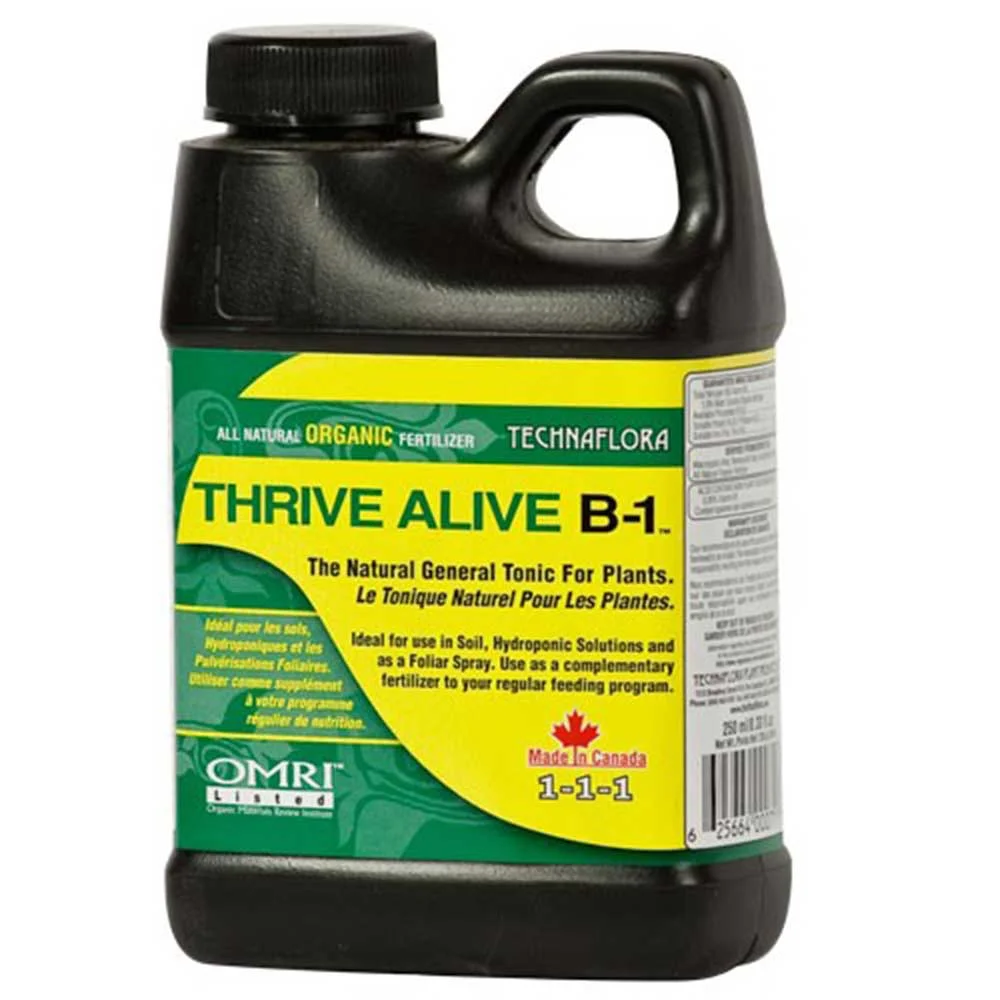
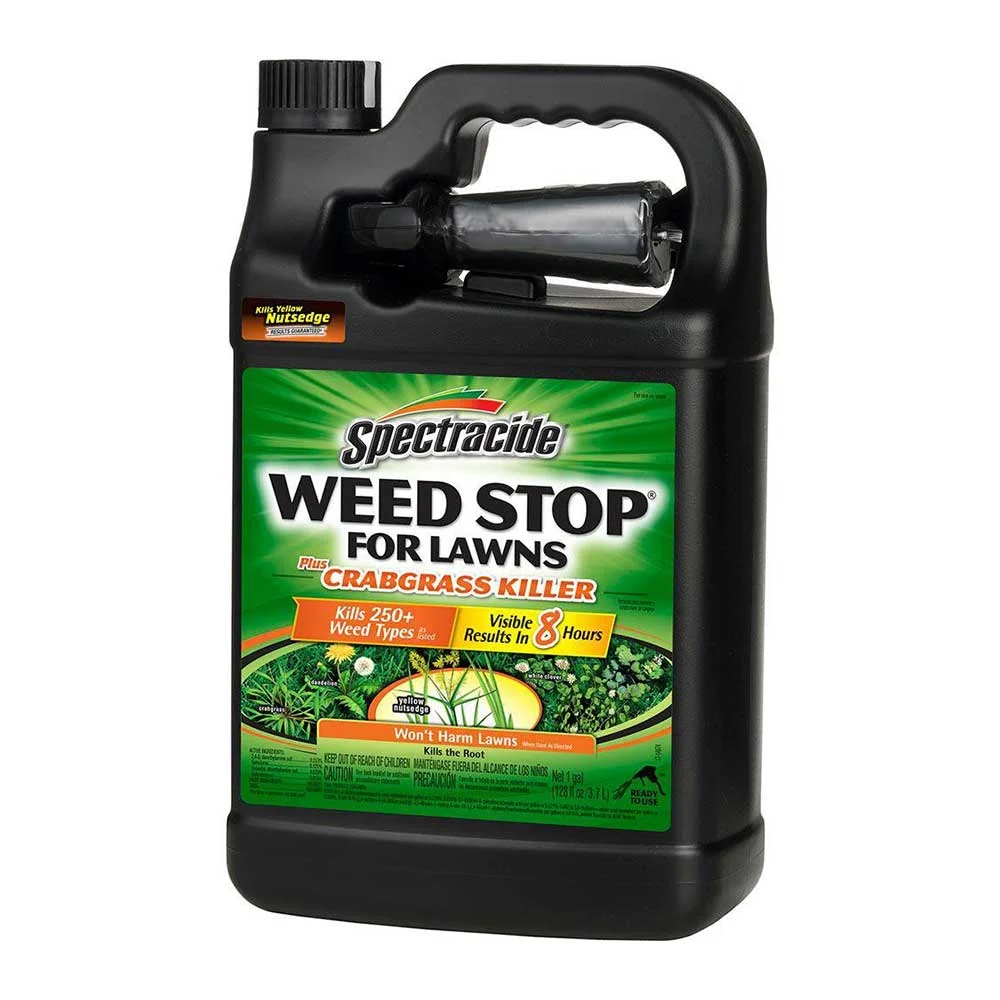
What Pesticide Labels Must Include
Pesticide labels carry legal weight. The Health and Safety Executive mandates specific elements that must appear clearly and legibly on every container. Missing or incorrect information violates regulations that protect users, the environment, and the food chain. Proper warning labels are essential for safe product handling.
Your pesticide labels need:
- Product name and marketing company details
- MAPP number (Ministerially Approved Pesticide Product registration)
- Active ingredients with formulation type (EC, WP, SC, etc.)
- Target pests, diseases, or weeds the product controls
- Statutory conditions of use including approved crops, application rates, and timing windows
- Hazard pictograms following CLP/GHS standards
- Safety precautions during mixing, application, and storage
- First aid instructions and emergency contact information
- Disposal guidance for unused product and containers
Buffer zones and LERAP (Local Environmental Risk Assessment for Pesticides) information must appear when products pose aquatic risks. These aren’t optional extras —they’re legal requirements.
Our labelling guides:

I had an amazing experience working with Positive ID Labelling, especially Natalie. The labels were absolutely brilliant quality and exceeded my expectations. Natalie was fantastic throughout the whole process. Communication was amazing from start to finish. She was so helpful, guided me through everything, and made the whole experience stress free and enjoyable. She was also genuinely funny and a pleasure to work with, which made everything even better. I’ll definitely be working with Natalie again on future projects and would highly recommend Positive ID Labelling to anyone looking for high-quality labels and excellent customer service.

Fantastic label printing service. Labels to a very high specification. Helen was great at sorting out our requirements, quotes, and order.

We’ve had a great experience working with this supplier, especially with Natalie - she is always very responsive, professional, and friendly. The pricing is highly competitive and the sales service has been excellent from start to finish.If I could offer one suggestion, it would be to improve the account and invoice management process. It would be really helpful if there were a system for clients to easily track their past orders and invoices in one place.Overall, very pleased with the service and look forward to continuing our collaboration.

I inadvertently ordered the incorrect label guns which was quickly sorted by Natalie. She was excellent, customer service at its best! Thank you once again

Understanding Fertiliser Label Requirements
Fertiliser labels follow slightly different regulations but still demand precision. The Fertiliser Regulations specify exactly what information must appear based on product type and nitrogen content.
Essential elements include:
- Product type designation (straight fertiliser, compound fertiliser, etc.)
- Nutrient content expressed as percentages (N-P-K values)
- Net weight or volume
- Safety warnings for products containing specific chemicals
- Storage and handling instructions
- Contact details for the responsible party
Some fertilisers —particularly those containing ammonium nitrate above certain concentrations —face additional security and labelling requirements under explosives precursor regulations.
CLP Labelling for Chemical Products
The Classification, Labelling and Packaging Regulation transformed how we label hazardous substances. CLP harmonises hazard communication across Europe and beyond, replacing older systems with standardised pictograms and phrases.
Your pesticide and fertiliser labels must display:
- Signal words (Danger or Warning) based on hazard severity
- Hazard pictograms in red-bordered diamonds showing skull and crossbones, health hazards, environment dangers, etc.
- Hazard statements (H-codes) describing the nature of hazards
- Precautionary statements (P-codes) explaining safe handling procedures
- Supplemental hazard information where applicable
Recent CLP updates introduced new requirements for 2024. Chemical suppliers must ensure their pesticide labels reflect current regulations, particularly regarding environmental hazards and long-term effects.
Materials Built for Harsh Agricultural Environments
Agricultural chemicals face brutal conditions. Fertiliser bags sit in damp warehouses. Pesticide containers endure UV exposure in storage sheds, get splashed during mixing, and need to remain legible after months outdoors.
We manufacture pesticide and fertiliser labels using polyester or polypropylene materials specifically chosen for durability. Polyester offers superior UV resistance and dimensional stability —ideal for products stored outdoors or in direct sunlight.
Our Screen UV inkjet printer uses 600dpi resolution with UV-cured inks that resist chemical contact, moisture, and abrasion. These aren’t standard paper labels that disintegrate when wet. They’re industrial-grade identification designed to survive agricultural reality.
For products requiring BS5609 certification (marine-immersible standards), we can supply appropriately tested materials and print processes. This matters for agricultural chemicals exported or used in maritime contexts.
Why GHS Pictograms Matter
The Globally Harmonised System standardised hazard communication worldwide. Those distinctive red-bordered diamonds aren’t decorative —they’re instant visual warnings that transcend language barriers.
Different pictograms warn of different hazards:
- Skull and crossbones: Acute toxicity (fatal or toxic if swallowed, inhaled, or absorbed)
- Health hazard: Respiratory sensitization, carcinogenic, mutagenic effects
- Exclamation mark: Irritation, sensitization, acute toxicity
- Environment: Hazardous to aquatic life, ozone layer damage
- Flame: Flammable liquids, aerosols, gases
- Corrosion: Skin burns, eye damage, metal corrosion
Correct pictogram sizing, colour reproduction, and placement aren’t suggestions. They’re regulatory requirements with specific minimum dimensions relative to label size.
Tactile Warning Triangles for Accessibility
Pesticide and fertiliser labels containing toxic, very toxic, corrosive, or harmful classifications legally require tactile warning labels. These raised triangular marks alert blind and partially sighted users to hazardous contents.
We apply tactile warnings through screen printing, creating reliably raised surfaces that meet regulatory standards. This accessibility requirement applies to products sold to the public, though professional-use-only chemicals may have different requirements.
Custom vs Standard Label Solutions
Some agricultural businesses operate with relatively stable product ranges using standard formulations. Others constantly adjust formulations, rebrand products, or respond to regulatory changes.
Standard repeat orders benefit from our flexographic presses for cost-effective high-volume production. The MPS 350 press delivers consistent quality for runs of 10,000+ labels at competitive pricing.
Variable or frequently changing products suit our digital printing capabilities. The Jetrion laser die-cutting system lets you order shorter runs economically, perfect when you’re launching new formulations or adjusting to regulatory updates without committing to huge inventories of potentially obsolete labels.
Multi-Language Requirements
Pesticide and fertiliser labels destined for European markets often need multi-language content. Hazard statements, precautionary phrases, and usage instructions must appear in the languages of destination countries.
Peel and reveal labels work brilliantly for multi-language requirements. Your primary English content remains visible while additional languages hide underneath, accessible when needed but not cluttering your primary label design.
Frequently Asked Questions
Do I need different labels for professional users versus consumer products?
Yes, significantly different requirements apply. Professional pesticides may include more technical language and detailed application instructions. Consumer products need simpler language, often larger pictograms, and must include tactile warnings. The classification determines which rules apply —our team can advise based on your specific product.
How quickly can you produce labels if regulations change?
Regulatory changes happen, and we’re geared for rapid response. Digital printing means no expensive plate changes or long setup times. Most orders ship within 3-5 days from approval. We’ve helped clients respond to urgent CLP updates and MAPP number changes with turnaround measured in days, not weeks.
Can you print MAPP numbers and batch codes as variable data?
Absolutely. Variable data printing works across all our digital presses. MAPP numbers, batch codes, manufacturing dates, and “use by” dates can be printed uniquely on each label without slowing production or increasing costs.
What happens if my current labels don’t meet latest CLP requirements?
Contact us immediately on 01332 864895. We’ll review your current labels against current regulations and advise what updates are necessary. Often, updating pesticide and fertiliser labels involves adding new pictograms, adjusting hazard statements, or including supplementary information. We can quote for compliant replacements rapidly.
Do you handle labels for liquid concentrates versus granular products?
Different product forms need different label materials and adhesives. Liquid pesticide containers need labels that tolerate chemical splashes and resist moisture, using similar technology to our chemical labels for industrial products. Granular fertiliser bags or containers face abrasion and dust. We specify appropriate materials based on your product form, container type, and storage environment.
Can I see material samples before ordering?
Yes. We offer free samples for approved projects. Request material samples showing different finishes (gloss, matte, etc.) along with print quality examples. This lets you assess durability, appearance, and suitability before committing to production quantities.
Agricultural labelling compliance isn’t optional, and errors carry real consequences. Correct hazard labels with GHS pictograms are a critical component of this compliance. Our team understands the regulations and materials your products demand. Call 01332 864895 now to discuss your requirements and get a no-obligation quote. Free expert guidance, competitive pricing, and rapid turnaround —delivered from our central England facility.
Related products and guides
- Asset Labels
- Barcode Labels
- Car Care Labels
- Certification Labels
- This page sits within our Industrial Safety Labels range covering the full category.
I had an amazing experience working with Positive ID Labelling, especially Natalie. The labels were absolutely brilliant quality and exceeded my expectations. Natalie was fantastic throughout the whole process. Communication was amazing from start to finish. She was so helpful, guided me through everything, and made the whole experience stress free and enjoyable. She was also genuinely funny and a pleasure to work with, which made everything even better. I’ll definitely be working with Natalie again on future projects and would highly recommend Positive ID Labelling to anyone looking for high-quality labels and excellent customer service.
Fantastic label printing service. Labels to a very high specification. Helen was great at sorting out our requirements, quotes, and order.
We’ve had a great experience working with this supplier, especially with Natalie - she is always very responsive, professional, and friendly. The pricing is highly competitive and the sales service has been excellent from start to finish.If I could offer one suggestion, it would be to improve the account and invoice management process. It would be really helpful if there were a system for clients to easily track their past orders and invoices in one place.Overall, very pleased with the service and look forward to continuing our collaboration.
I inadvertently ordered the incorrect label guns which was quickly sorted by Natalie. She was excellent, customer service at its best! Thank you once again